 Latest
Max Bygraves said it years ago, but I think it needs saying again
10 May 2026
Dear LPG,
I often look back at some of the retro articles on your pages, and the other day I found one that made me smile. It was about how modern technology can help us appear more energetic. When I had finished chuckling, I realised that, despite the writer’s humorous approach, he had actually touched upon a very important point.
When I looked it up and asked Google the question, the AI-assisted information suggested that the heart is the hardest-working organ we own. However, no other body part was mentioned at all. Although I concede that life would be difficult without that vital pump, I feel we should also give credit to a few other bits and bobs that work tirelessly on our behalf.
Perhaps the experts were simply looking at the question from a scientific point of view and, being scientists, overlooked the outside parts of us that also work incredibly hard.
I think our hands must rank near the top of the list of hardest-working external body parts. Once our organs keep the rest of us ticking over nicely, we still would not get very far without the ability to move around, see, hear, think, and carry out tasks for ourselves. I would therefore place our hands, feet, eyes, ears, and brain in my own top five hardest-working body parts, and putting those five in order of excellence would be almost impossible.
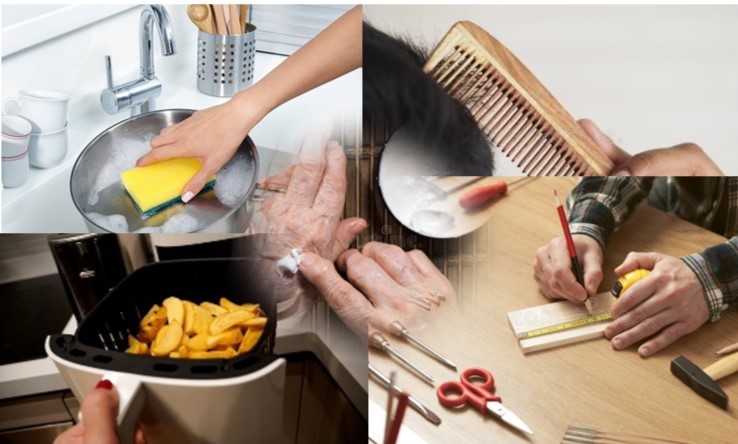
That earlier article merely outlined how many times each day we use our hands in ways that leave them dirty enough to require washing. Beyond those tasks are the many activities described in Max Bygraves’s song. If we add all the DIY projects, mending jobs, hobbies, and the countless tasks most pensioners have long forgotten they once performed while working, the list becomes endless.
I do not know where I would be if I could not comb my hair or apply a little makeup, and even those who have no need for such things are likely to begin the day by making the bed and changing into clothes suitable for daytime wear. There is something rather special about creating the ripple in a cup that, with the help of a teaspoon, allows sugar, milk, hot water, and a teabag to blend together perfectly.
Then there are cooking duties, whether they involve several pots and pans on the hob or simply opening a packet and placing something in the microwave or air fryer.
Deaf people use their hands to communicate, while typists and musicians ensure their fingers receive plenty of exercise. Are there any former piano students who remember having their fingers tapped with a ruler to remind them which note should be played with which finger?
Writing by hand may not be as common as it once was, but it often produced cramp, and the constant need to text, type, or navigate a smartphone touchscreen has certainly contributed to many cases of repetitive strain injury over the years.
Then there are all those people who perform intricate tasks with their hands. I think of the man at the market stall who changes watch batteries no matter how cold the weather or how white his fingers become with the cold. And where would we be without the surgeons who perform the delicate operations that keep so many of us alive for longer these days?
Then I think of what hands had to endure during wartime, and the punishment absorbed by the hands of boxers and fighters, whether through necessity or sport.
It may also be true that hands receive greater appreciation when the eyes looking down at them — and the brain directing them — belong to a woman. I looked it up and learned that around one-fifth of women spend at least some money on professionally administered hand treatments. Although many of those treatments focus on colourful nails and smoother skin, any pampering must surely be a bonus.
I am not trying to end this message with an advertisement for hand cream, but perhaps we should all consider adding a little moisturiser to the end of our hand-washing routine so that, by the time we reach a ripe old age, we can say we did not completely take those all-important upper extremities for granted.
FB, Catford