 Latest
D O R S W: – solve the anagram, choose your weapon and use it wisely…
1 Sep 2026
Dear LPG,
Every now and then I access your website, and having read the post of the day, my scrolling finger finds itself travelling from the bottom of the screen to the top. I did just that one day not so long ago and, as the different titles of past posts travelled up the screen, I came across what PY had to say about choosing our battles (►►►).
I defy anyone in our world to find one person who absolutely agrees with everything in the same way that even one other person does, which is why disputes are always going to happen. We display this internationally, nationally, locally and personally, which is why there are so many wars being fought and arguments being had at any one time on this earth.
Individually, we can’t help the really big ones, and PY has done a really good job with her suggestion that we should go back to the written word if we are to make any real progress when fighting those battles that, as she says, we need to pursue if we are to help to make our world a better place, but what of our personal battles?
I want to go back to the more personal arguments that we all manage to have with friends, family members and the person that you think was careless when they bumped into you as you were walking down the street. What did you last argue about and how important to you was the person you had trouble agreeing with?
Wouldn’t it be easy if we all ignored that one little discrepancy that fuels the fire, that sparks that argument, that so often can turn a best friend into an arch-enemy if we are not careful. One of the saddest things about ‘person to person’ arguments is that our words can become the sword that stabs the closest of friendships to death within minutes or at least completely changes your relationship dynamic forever.
All too often, the reason that ignited the disagreement-spark is just one comment or observation which was never meant to cause offence, and the closer the people who have different views with regard to what was said are, the more important the outcome seems to be (…not only geographically, I am also talking about the importance of the arguers to each other). It is then that the discussion turns into a heated argument, voices become raised and the shouted interruptions result in half of what is said being completely misunderstood. Perhaps that is the time to walk away and argue with the written word rather than the verbal or physical sword.
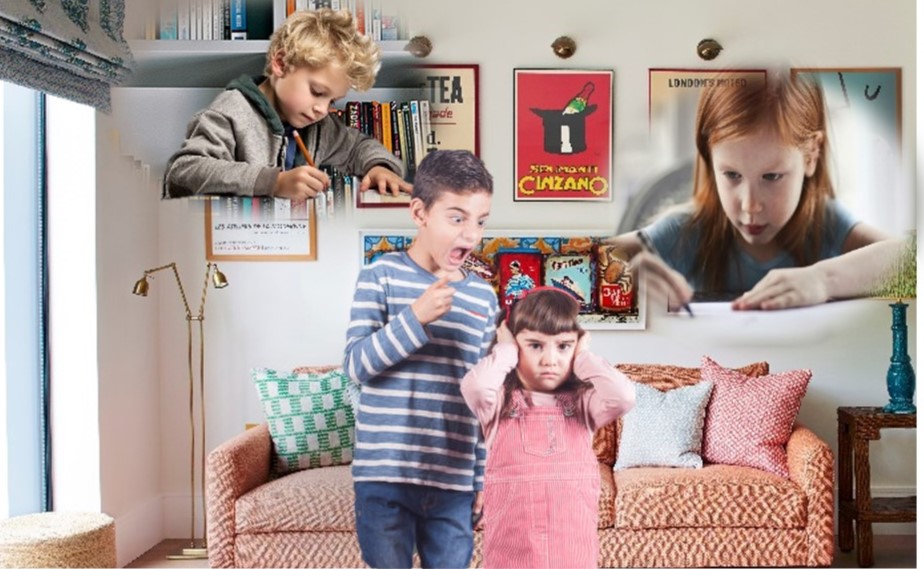
This is something that I encouraged my young children to do as soon as they could write things down and, when things got a little out of hand at home, I remember helping the youngest with her words. I had three and, PY is right when she observes that ‘What is written also allows an opportunity for the reader to ask for an explanation of the phrases that appear a bit dubious’. (and I suggest that you get them to use the written word to explain these too!) Taking the time to write also gave them time to think about what they really meant, time to think about the other point of view a little more objectively and a reason to practice the art of writing even though my grandchildren are more ready to text these days.
I am not saying that the strategy always works but, perhaps if even a few of us grandparents can get our children to instigate this rule with our younger grandchildren, by the time they get a bit older, the world might become a slightly more peaceful place.
Wishful thinking, you may think but grandparents, perhaps you can have a go the next time the young ones are left with you, or you have a little influence when a disagreement starts to stir…
PC, Catford